

The classic adage is that football games are won and lost in the final frame, but what do the numbers tell us about that idea in the NFL?
NFL games are supposed to be won in the fourth quarter.
It’s one of football’s oldest beliefs, reinforced by generations of coaches preaching the importance of finishing, quarterbacks building reputations around late-game heroics and defenses delivering one final stop when everything is on the line.
Then there’s the third quarter, traditionally viewed as the ultimate test of coaching adjustments. Whatever happened during the first half, the thinking goes, can be corrected during those precious minutes in the locker room.
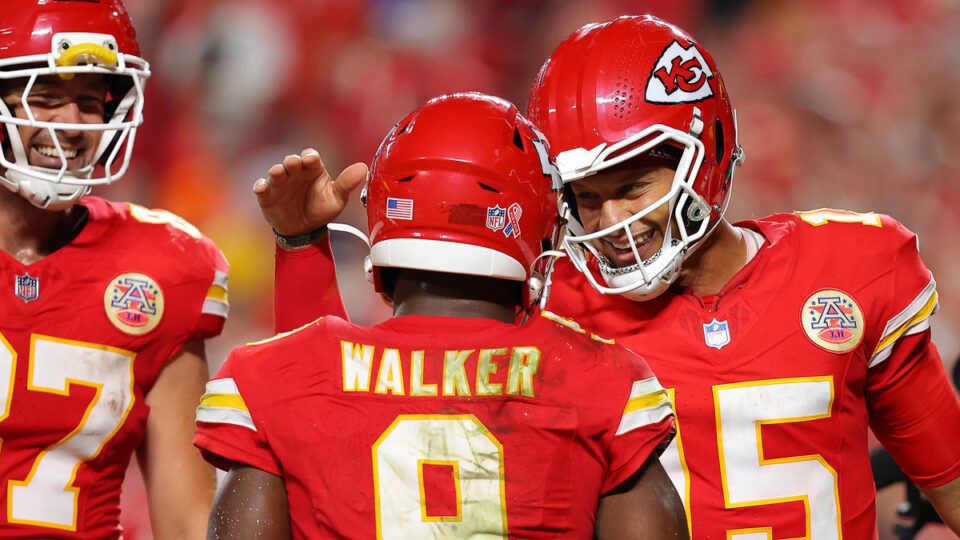
But over six weeks of the NFL season, the numbers suggest otherwise.
Teams that do the most damage in the opening quarter enjoy more collective success than the league’s leading scorers in any other period. And the third quarter, despite its reputation as the proving ground for halftime adjustments, has produced the weakest connection between scoring and winning.
The evidence doesn’t mean fourth-quarter execution is overrated or halftime adjustments are meaningless.
It suggests something more fundamental: The best time to take control of an NFL game might be before the opponent has a chance to settle in.
| Team | 1st Quarter Points |
|---|---|
| Baltimore Ravens | 8.0 |
| Kansas City Chiefs | 8.0 |
| Chicago Bears | 7.5 |
| San Francisco 49ers | 6.2 |
| Atlanta Falcons | 5.8 |
| New England Patriots | 5.8 |
| Cincinnati Bengals | 5.6 |
| Carolina Panthers | 5.4 |
| Arizona Cardinals | 5.2 |
| Las Vegas Raiders | 5.2 |
| Pittsburgh Steelers | 5.2 |
The Value of Starting Fast In The NFL
Through Week 6, the NFL’s top first-quarter scoring teams have combined for a 40-22 record (.645 winning percentage). Because of a tie for ninth, that group includes 11 teams.
Compare that with the leading fourth-quarter scoring teams, 36-21 (.632), and the top second-quarter scorers, 34-23 (.596).
The difference between the first and fourth quarters is narrow, but the contrast with the third quarter is striking. The 10 leading third-quarter scoring teams average 28-30 (.483) combined.
The Kansas City Chiefs and San Francisco 49ers offer compelling examples of the value of an early offense.
The Chiefs, undefeated through their first five games, average 8.0 first-quarter points, tied for the league lead. The unbeaten 49ers rank fourth at 6.2.
🆙 after the first. https://t.co/GKzLgY3KoS
— Kansas City Chiefs (@Chiefs) October 18, 2026
Their ability to establish an early advantage changes the conditions under which opponents must operate. Defenses can become more aggressive when protecting leads, while opposing offenses face increasing pressure to abandon patience and pursue points.
The Baltimore Ravens, Chicago Bears, New England Patriots and Pittsburgh Steelers also rank among the leading first-quarter scoring teams, reinforcing the connection between early production and winning football.
That doesn’t establish that scoring early causes victories. Strong teams generally score more points throughout games, and the same clubs appear in multiple quarterly rankings.
Still, the pattern challenges the notion that teams can routinely afford sluggish beginnings and simply rely on superior execution later.
In a league where possessions are limited and margins are frequently narrow, giving an opponent an early advantage creates problems that can persist well beyond the opening 15 minutes.
The First Half Builds The Foundation
If the first quarter provides the strongest early statistical signal among the leading scoring groups, the second quarter offers an opportunity to turn a promising start into meaningful control.
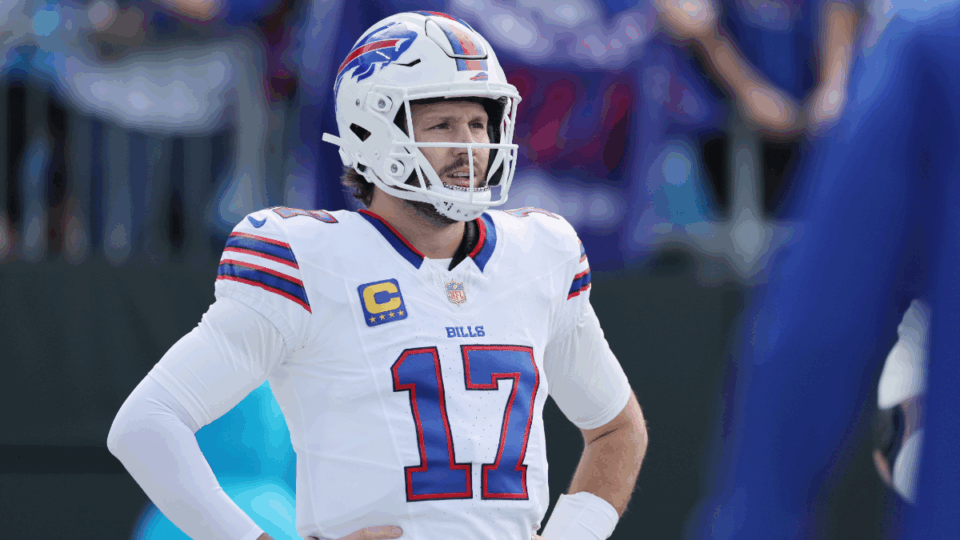
The Buffalo Bills lead the NFL with 13.0 second-quarter points per game, followed by the Philadelphia Eagles at 12.2 and Detroit Lions at 11.4.
Tied heading into the second half.
@TitosVodka | #BUFvsLV https://t.co/Mc2sjCIiBJ
— Buffalo Bills (@BuffaloBills) October 18, 2026
Yet the results aren’t uniform.
The Bills are 5-1, while the Eagles are 2-4. The Indianapolis Colts also rank among the top five second-quarter scoring teams despite their 2-4 record.
That disparity highlights an important distinction: Scoring before halftime matters, but it means far less if the opponent is scoring just as often.
The more meaningful question is whether a team establishes a lead, not simply how many points it produces.
San Francisco’s 23-17 victory over Washington on Monday provided a timely example.
The 49ers built a 20-3 halftime advantage and held on despite being outscored 14-3 over the final two quarters. Their first-half work created the cushion that ultimately protected their unbeaten record.
That game also demonstrated the danger of treating any single quarter as decisive. San Francisco needed its defense to preserve the advantage its offense established.
Viewed collectively, the first half may therefore offer a more useful measure of control than either opening quarter considered independently.
The Third-Quarter Misconception
Few periods draw as much attention from coaches and analysts as the third quarter.
Halftime adjustments have become such an established part of football analysis that people often attribute second-half improvement to coaching decisions made in the locker room.
But the scoring numbers offer little evidence that third-quarter offensive production alone distinguishes winning teams.
The New Orleans Saints lead the NFL with 9.5 third-quarter points per game despite a 2-4 record. The Los Angeles Chargers rank seventh at 6.8, yet remain winless.
We head to the 4th 👀 https://t.co/hslcwgOPXX
— New Orleans Saints (@Saints) October 18, 2026
Meanwhile, Kansas City and the Minnesota Vikings are both undefeated despite averaging just 3.4 third-quarter points.
The contrast is revealing.
A team trailing at halftime may generate a strong third-quarter offense while trying to recover. Another protecting a comfortable advantage might emphasize ball security, field position and controlling possession rather than aggressively pursuing additional points.
Scoring totals alone can’t accurately evaluate either approach.
That doesn’t diminish the importance of halftime adjustments. It demonstrates why measuring their effectiveness requires more than counting points.

Finishing Strong Still Matters In The NFL
The fourth quarter nearly matches the first in its leading scorers’ collective success.
Buffalo tops the league at 10.7 fourth-quarter points per game, while the Las Vegas Raiders rank second at 10.0. The Los Angeles Rams follow at 9.7.
LET. IT. RIP.
#BUFvsLV | 📺 Paramount+ https://t.co/j4N1Q4y9iz
— Las Vegas Raiders (@Raiders) October 18, 2026
But the Raiders are 3-3, and Los Angeles is 2-4.
Conversely, Kansas City and Minnesota rank among the top 10 fourth-quarter scoring teams and remain undefeated.
The difference may be less about offensive production than the circumstances surrounding it.
Points scored while protecting a lead carry a different strategic significance than those scored while desperately trying to come back. A fourth-quarter touchdown can secure a victory, narrow an otherwise insurmountable deficit or merely make a loss appear more competitive.
And sometimes the most important fourth-quarter contribution is a defensive stop rather than an offensive score.
So which quarter matters most?
Through six weeks, the first quarter has the strongest association with winning among the league’s leading quarterly scoring groups, although its advantage over the fourth is slight. Those group records establish a pattern, not proof that an early point is more valuable than a late one.
The broader lesson is that timing, game situation and defensive performance matter as much as offensive output.
The first quarter can establish control. The second can strengthen it. The third can change a game’s direction. And the fourth determines whether that work survives.
Football will always celebrate the dramatic finish.
But the teams best positioned to celebrate afterward may be those that made the finish considerably less dramatic in the first place.
W.G. Ramirez is a veteran sports writer from Las Vegas and a Staff Writer at TeamFB7.com. Follow him on X at @WillieGRamirez