For nearly two decades, the AFC South has been searching for a return to football’s biggest stage, the Super Bowl.
The division enters the 2026 season carrying the NFL’s longest active Super Bowl appearance drought, having gone 16 consecutive seasons without sending a representative to the championship game. Its wait for a Lombardi Trophy has stretched even longer, with 19 years passing since an AFC South franchise last hoisted the NFL’s ultimate prize.
For years, the division was often viewed as one with potential but lacking the depth, consistency and star power to challenge the AFC’s elite. That perception, however, is beginning to change.
The AFC South has quietly transformed into one of the league’s most intriguing and rapidly ascending divisions. What was once considered a rebuilding group is now loaded with young talent, ascending franchises and, perhaps most importantly, quarterbacks capable of leading their organizations for the next decade.
The Jacksonville Jaguars took the biggest leap last season, improving by an astounding nine victories while finishing 13-4 and capturing the AFC South title. The 13-win campaign marked the second-best regular season in franchise history and demonstrated just how quickly Jacksonville has evolved into a legitimate contender.
Trevor Lawrence continues to mature into one of the NFL’s premier quarterbacks. His command of the offense, ability to make every throw and growing leadership have positioned the Jaguars as a team capable of competing with anyone in the conference. Jacksonville is no longer simply hoping to reach the postseason — it now expects to be there.
Houston has followed a similarly impressive trajectory.
The Texans matched a franchise record with 12 regular-season victories before validating their success with a wildcard playoff victory. What began as a rapid rebuild has blossomed into one of the NFL’s most exciting young teams.
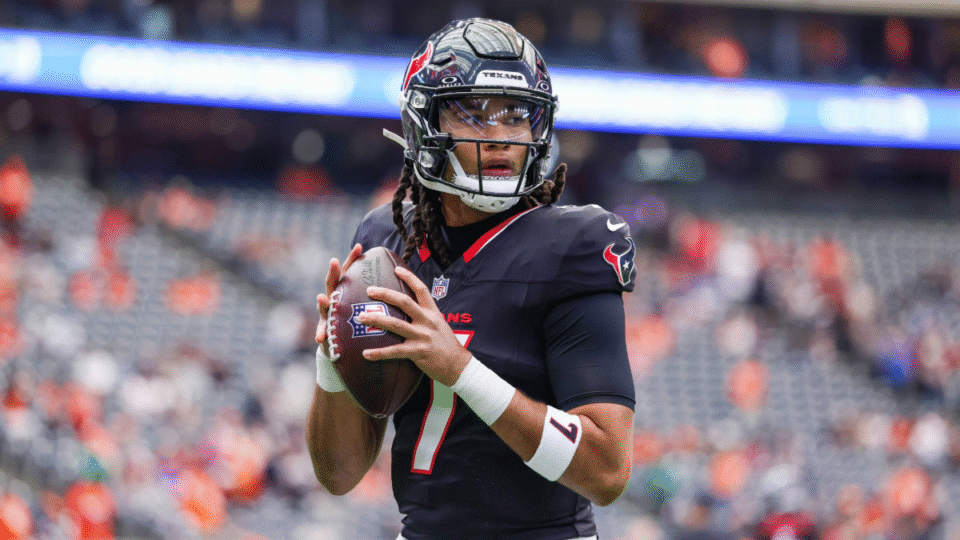
Much of that optimism centers around quarterback C.J. Stroud, whose poise, football IQ and ability to elevate those around him have accelerated Houston’s timeline dramatically. The Texans possess one of the league’s brightest young cores, combining explosive offensive playmakers with an increasingly aggressive defense that appears built to contend for years.
Latest NFL divisional winners futures odds, as of today. Per @FDSportsbook @FanDuel
— The Football Suite (@ThFootballSuite) August 2, 2026
AFC East
• Buffalo Bills -130
• New England Patriots +130
• New York Jets +1900
• Miami Dolphins +3500
AFC North
• Baltimore Ravens -105
• Cincinnati Bengals +170
• Pittsburgh…
Meanwhile, Tennessee may be the division’s biggest sleeper.
The Titans have turned the page toward a new era with second-year quarterback Cam Ward, whose arm talent, mobility and confidence have injected fresh optimism into the franchise. While expecting immediate championship contention may be premature, Ward represents the kind of franchise quarterback every organization covets. If his development progresses quickly, Tennessee could become a dangerous team capable of altering the AFC South race sooner than many expect.
That leaves Indianapolis as the division’s biggest question mark. Although the Colts remain talented on both sides of the football, finding consistency at quarterback and maximizing their roster will determine whether they can keep pace in what has become an increasingly competitive division.
NFC South Ready To Turn The Corner?
Perhaps the most telling statistic illustrating the AFC South’s rise came outside divisional play.
Collectively, the four teams posted a remarkable 28-20 record against opponents from other divisions — the best mark in the AFC by five full games. That wasn’t merely a product of scheduling luck. It reflected meaningful growth across the division and demonstrated that AFC South teams consistently defeated quality competition throughout the season.
Success outside the division is often one of the strongest indicators of overall conference strength, and by that measure, the AFC South established itself as one of the NFL’s most improved groups.
The quarterback landscape may ultimately be what separates this division from previous versions.
Jacksonville has its established star in Lawrence. Houston has one of football’s brightest young superstars in Stroud. Tennessee believes it has found its future in Ward. Three franchises now appear to possess the most important ingredient for sustained success, creating a foundation that could fuel one of the league’s most compelling divisional rivalries for years to come.
The AFC remains stacked with perennial powers such as Kansas City, Buffalo, Baltimore and Cincinnati, meaning the road to the Super Bowl remains incredibly difficult. But the AFC South no longer looks like an afterthought within the conference.
Instead, it appears poised to become one of the NFL’s most competitive battlegrounds, where every divisional matchup could carry playoff implications and every week will test whether these emerging contenders are ready to take the next step.
Whether the AFC South can finally end its lengthy Super Bowl drought remains one of the league’s most fascinating storylines entering the 2026 season. What once seemed like a distant possibility now feels increasingly realistic.
For the first time in years, the division isn’t simply hoping to compete.
It’s beginning to believe it can contend.
Previewing AFC South Training Camp
Here is a deeper look at the teams in the AFC South.
Houston Texans
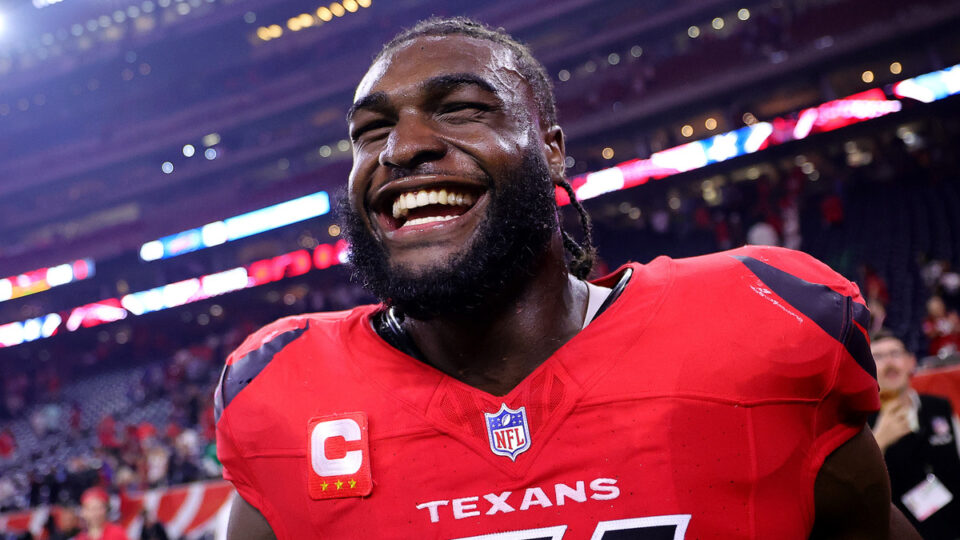
The combination of coach DeMeco Ryans and Stroud quickly transformed the Texans into one of the AFC’s most consistent contenders. In just three seasons together, the duo has guided Houston to three consecutive playoff appearances, while also securing another postseason victory in the wildcard round. A franchise that spent years searching for stability has suddenly become a legitimate threat in the conference, thanks to Ryans’ leadership, Stroud’s talent and a roster built with championship aspirations.
Still, the Texans’ season ended with a familiar and frustrating problem.
Despite another trip to the postseason, Houston’s offensive line struggled to protect Stroud when it mattered most. Constant pressure disrupted the timing of the offense throughout the year, and the issues reached their peak in the playoff loss, where Stroud was relentlessly harassed in the pocket and committed four costly interceptions. Rather than taking another leap after his sensational rookie campaign, the young quarterback experienced a season of uneven growth, largely because he rarely had the time needed to operate comfortably within the offense.
Recognizing the problem for a second consecutive offseason, general manager Nick Caserio once again made rebuilding the offensive line his top priority. Many around the league believe improved protection is the missing ingredient that can unlock Stroud’s full potential and return him to the elite trajectory he established during his first season.
Deep ball incoming pic.twitter.com/ONPl8jmqm7
— Houston Texans (@HoustonTexans) July 31, 2026
Houston aggressively attacked that weakness by adding proven veteran guard Wyatt Teller, experienced right tackle Braden Smith, and investing a first-round selection in highly regarded offensive lineman Keylan Rutledge. The Texans are counting on that trio to bring toughness, stability and physicality to a unit that has too often allowed opposing defenses to dictate games. If those additions perform as expected, Stroud should have significantly more time to survey the field, extend plays and maximize an offense loaded with explosive playmakers.
While the offense works to regain its explosiveness, the Texans’ defense has already developed into one of the NFL’s premier units. Ryans has built a fast, disciplined and aggressive defense that consistently pressures opposing quarterbacks, forces turnovers and keeps Houston competitive even when the offense isn’t operating at full capacity. The defense has become the identity of the football team, giving the Texans a chance to win virtually every week.
The biggest question entering the 2026 season is whether Houston’s offensive improvements can finally match the standard set by its defense. If the rebuilt offensive line provides the protection Stroud has lacked, the Texans possess the talent, coaching and quarterback play necessary to compete with the AFC’s elite. With one of the conference’s best defenses already in place and a young franchise quarterback capable of playing at an All-Pro level, Houston appears poised to remain a legitimate Super Bowl contender — provided the offensive line can finally become a strength rather than a liability.
Indianapolis Colts
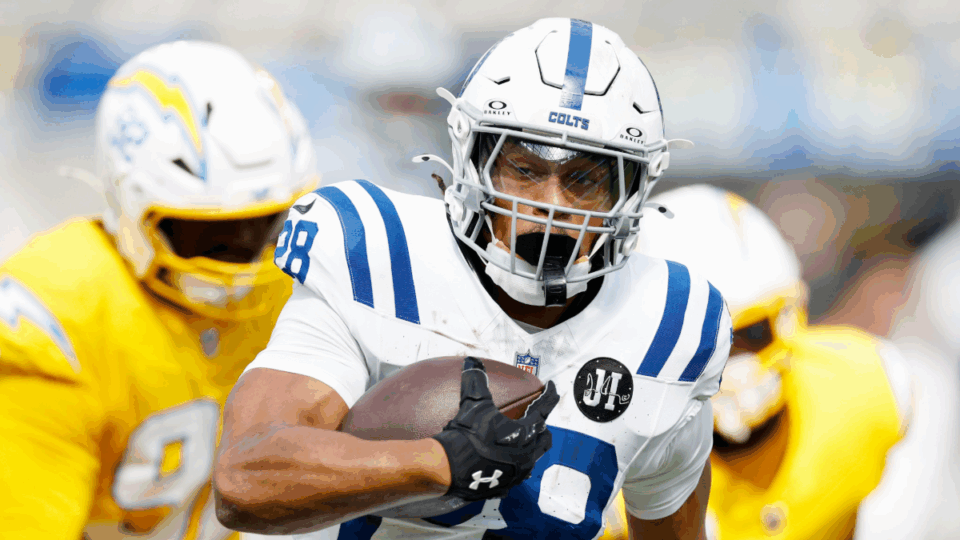
If anything, consistency has defined the Colts during Shane Steichen‘s first three seasons as head coach, but not the kind that satisfies a franchise that had championship expectations when hiring him. Under Steichen, the Colts have gone 9-8, 8-9 and 8-9, proving they’ve been competitive enough to remain in the playoff conversation each year, but the inability to turn those seasons into postseason campaigns has left the Colts stuck in NFL purgatory: too talented to rebuild, yet unable to establish themselves among the AFC’s true contenders.
That reality makes the 2026 season a pivotal one for both Steichen and the organization. As in, he rolls into the campaign on the hot seat.
Adding even more significance to the year is a new era in ownership. Following the passing of longtime owner Jim Irsay, leadership of the franchise now rests with Carlie Irsay-Gordon, who assumes the role of chief executive. After spending years helping guide the organization alongside her father, Irsay-Gordon now has the opportunity to shape the Colts according in her own vision. Whether that means maintaining continuity or making sweeping organizational changes could largely depend on what unfolds this season.
On the field, Indianapolis appeared ready to end its playoff drought a year ago. The Colts stormed out to a 7-1 start, holding the best record in the AFC midway through the season and looking every bit like a legitimate conference contender. The offense was playing efficiently, the defense was producing timely stops, and the team had developed the confidence expected of a division champion.
“If you didn’t tell me this is a hurt quarterback, I wouldn’t know this was a hurt quarterback.”@BenjaminSolak reports that Daniel Jones is continuing to fully participate in Colts training camp 💪 pic.twitter.com/dUWuT0BxOC
— SportsCenter (@SportsCenter) August 3, 2026
Then everything changed when veteran quarterback Daniel Jones suffered a season-ending Achilles tendon injury in Week 14, derailing the momentum that had carried Indianapolis through the first half of the season. Without its starting quarterback, the offense lost its rhythm and explosiveness, and the Colts were unable to sustain their early success. What once looked like a breakthrough season quickly unraveled, ending with another frustrating year watching the playoffs from home.
Now, Jones returns healthy with the opportunity to prove last season’s collapse was more about circumstance than shortcomings. The Colts have surrounded him with enough talent on both sides of the football to compete for the AFC South title, but expectations have shifted. Moral victories and respectable records are no longer enough. Indianapolis must translate potential into meaningful January football.
That pressure extends directly to Steichen. Entering his fourth season, he has established a culture of competitiveness, but the next step is delivering postseason success. Coaches are ultimately judged by playoff appearances and victories, not by narrowly missing the tournament year after year. With a healthy quarterback, an experienced roster and ownership entering a new chapter, the excuses have largely disappeared.
If Steichen and Jones can guide the Colts back to the playoffs, the franchise will have the stability and foundation to build upon under Irsay-Gordon’s leadership. But if Indianapolis falls short once again, the new chief executive could decide that a fresh vision requires sweeping changes throughout the organization. From the front office to the coaching staff, every major decision-maker could find themselves under increased scrutiny.
For a franchise eager to reclaim its place among the AFC’s contenders, 2026 feels less like another season and more like a defining crossroads. The Colts have proven they can win games. Now they must prove they can win when it matters most.
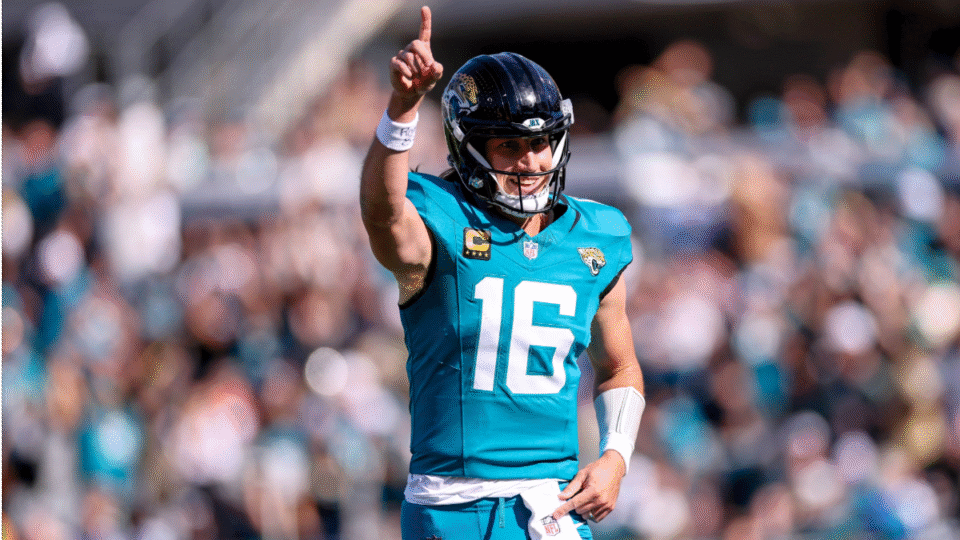
Jacksonville Jaguars
The first season under the leadership of general manager James Gladstone and head coach Liam Coen was one of the NFL’s most fascinating, and, at times, most perplexing stories. In their debut year together, the Jaguars exceeded expectations by capturing the AFC South with a 13-4 record, tying for the second-most regular-season victories in franchise history before their season came to an end in the wildcard round against the Buffalo Bills. Despite the early playoff exit, Jacksonville firmly established itself as one of the AFC’s rising contenders.
Unfortunately, much of the conversation wasn’t about their success, but rather Gladstone’s aggressive move up three spots in the 2025 NFL Draft to select two-way superstar Travis Hunter. The price was enormous, requiring Jacksonville to part with significant draft capital, including a future first-round pick. It was a move designed to acquire a transformational talent capable of changing games on both sides of the football.
And for a brief period, the gamble appeared justified.
Hunter flashed the dynamic athleticism and versatility that made him one of the most celebrated college prospects in years, giving Jacksonville another explosive weapon alongside quarterback Lawrence. His ability to impact games as both a receiver and defensive back offered endless possibilities for Coen’s coaching staff and made the Jaguars one of the league’s most intriguing teams. Unfortunately, Hunter’s promising rookie campaign was cut short in October after suffering a torn knee ligament, abruptly ending a season that had been filled with excitement and enormous expectations. While Jacksonville remarkably continued winning without its prized rookie, the injury removed one of the offense’s most explosive playmakers just as the playoff race intensified.
#Jaguars HC Liam Coen says it’s easy to motivate his players because nobody talks about the Jaguars.
— Ari Meirov (@MySportsUpdate) July 31, 2026
“I look at the NFL website, and see if there’s anything on the Jaguars. I think I’ll see 40 pictures of Caleb Williams. And nothing on us! It’s beautiful.”
(📽️ @1010XL) pic.twitter.com/WYP1NUvvFe
The Jaguars still managed to finish with an impressive 13 victories, demonstrating the depth of their roster and the leadership of Lawrence, but the postseason loss to Buffalo exposed areas that still require improvement if Jacksonville hopes to become a legitimate Super Bowl contender.
What has puzzled many around the league is what followed.
Rather than aggressively building on a division championship, Jacksonville’s front office took a surprisingly quiet approach this past offseason, making few significant veteran additions, choosing instead to rely largely on the roster that carried it to the playoffs. For a team seemingly on the verge of breaking into the AFC’s elite tier, the lack of impactful acquisitions left many wondering whether the organization had done enough to keep pace with the conference’s rapidly improving contenders.
Adding to the skepticism was a draft class that received mixed to poor reviews from many league analysts. Without the first-round selection that had been sacrificed in the Hunter trade, Jacksonville entered the draft with fewer premium assets, making it more difficult to inject immediate high-end talent into the roster. One year later, the long-term cost of acquiring Hunter has become a far more prominent discussion, particularly after his injury limited his rookie season.
All that said, Jacksonville remains one of the AFC South’s most talented teams, as Lawrence remains a franchise quarterback capable of elevating the offense.
The question entering the 2026 season is whether Jacksonville’s now two-year gamble will pay off. If Hunter returns to full health and develops into the superstar many project him to become, Gladstone’s aggressive trade could eventually be remembered as the move that accelerated the Jaguars into championship contention. However, if injuries continue to limit Hunter and the lack of premium draft capital slows the roster’s overall development, critics will point to that blockbuster trade as the moment Jacksonville sacrificed long-term depth for short-term ambition.
Either way, the Jaguars remain one of the AFC South’s most compelling teams with a talented roster holding legitimate championship aspirations, but one that now carries greater pressure to justify the bold decisions that shaped its future.
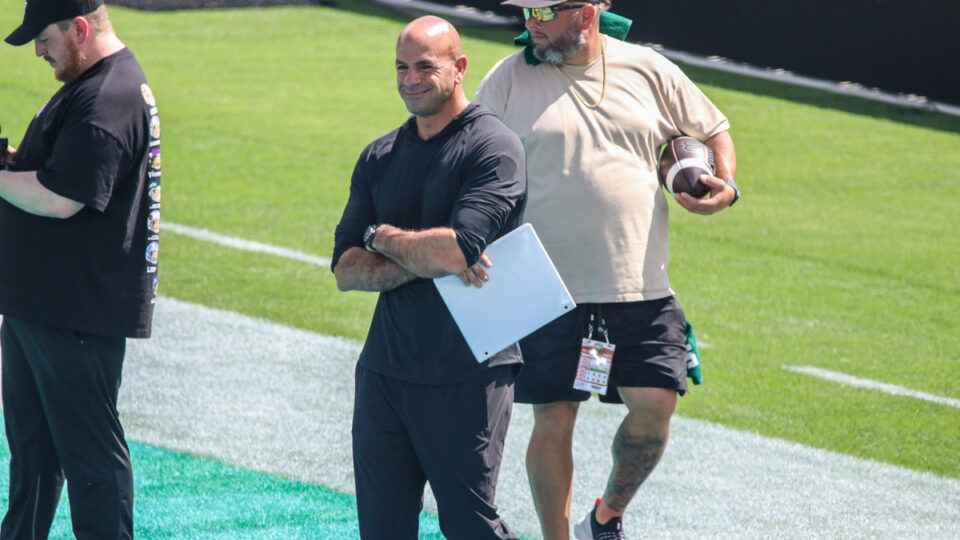
Tennessee Titans
Few NFL franchises have undergone more organizational change over the past four years than the Titans. Since 2023, the franchise has experienced a near-complete restructuring of its football operations, reflecting ownership’s determination to reverse years of inconsistency and return Tennessee to playoff contention. Controlling owner Amy Adams Strunk has not hesitated to make difficult decisions, dismissing two general managers and two head coaches during that span. Following the 2026 NFL Draft, another major change occurred when the team’s president of football operations resigned, further reshaping the organization’s leadership.
Those moves have left the future of the franchise in the hands of general manager Mike Borgonzi and head coach Robert Saleh, a pairing tasked with restoring stability while building a roster capable of competing in an increasingly competitive AFC South under second-year quarterback Cam Ward.
Rather than making isolated improvements, Tennessee attacked the offseason with a comprehensive plan. Borgonzi and Saleh were among the league’s most aggressive decision-makers in free agency and the trade market, bringing in a wave of veteran talent designed to fit the identity Saleh wants his team to embody. Known throughout the NFL for building fast, physical and disciplined defenses, Saleh immediately began reshaping the roster to match his aggressive defensive philosophy.
Robert Saleh: I do think this will be one of the tougher training camps that our guys have experienced pic.twitter.com/uUss1R6UWK
— Buck Reising (@BuckReising) July 28, 2026
The Titans’ offseason emphasis was clear: establish a defense capable of creating pressure, forcing turnovers and keeping games within reach while the offense continues to develop around its young quarterback.
On the offensive side of the ball, Tennessee also recognized the importance of accelerating the development of Ward, the franchise quarterback expected to lead the organization into its next era. Young quarterbacks often succeed or fail based on the talent surrounding them, and the Titans made it a priority to provide Ward with additional playmakers rather than asking him to carry the offense by himself.
That philosophy was evident with the No. 4 overall selection in the 2026 NFL Draft, when Tennessee chose Ohio State wide receiver Carnell Tate. Considered one of the most polished pass catchers in the class, Tate brings size, reliable hands and the ability to create explosive plays downfield. His arrival gives Ward another dynamic weapon and provides the Titans with a receiver capable of stretching opposing defenses while complementing the rest of the offense.
The decision reinforced one of the NFL’s most successful roster-building principles: when you believe you’ve found your franchise quarterback, surround him with as much talent as possible. Tennessee is betting that investing in Ward’s development today will pay dividends for years to come.
Of course, talent alone won’t determine the Titans’ success. The biggest challenge facing Tennessee is establishing continuity after years of constant change. Frequent turnover in the front office and on the coaching staff has prevented the organization from building sustained momentum, and the franchise now hopes Borgonzi and Saleh can provide the long-term stability that has been missing.
The encouraging news is that the Titans finally appear to have a clear direction. Saleh brings a proven defensive blueprint, Borgonzi has been aggressive in reshaping the roster, and Ward possesses the upside to become one of the AFC’s promising young quarterbacks. Combined with a defense built to reflect Saleh’s physical identity, Tennessee has laid the foundation for a team capable of climbing back into contention.
Whether those changes translate into immediate success remains to be seen, but one thing is certain: after years of organizational upheaval, the Titans have fully committed to a new vision. If Ward takes the expected leap and the defense quickly adapts to Saleh’s system, Tennessee could emerge as one of the AFC’s most improved teams. If not, another season of disappointment could extend one of the league’s most turbulent periods, making patience even harder to justify in Nashville.
W.G. Ramirez is a veteran sports writer from Las Vegas and a Senior Staff Writer at TeamFB7.com. Follow him on X at @WillieGRamirez.